Anxiety Relief Bundle: 4 Tools to Build Daily Calm
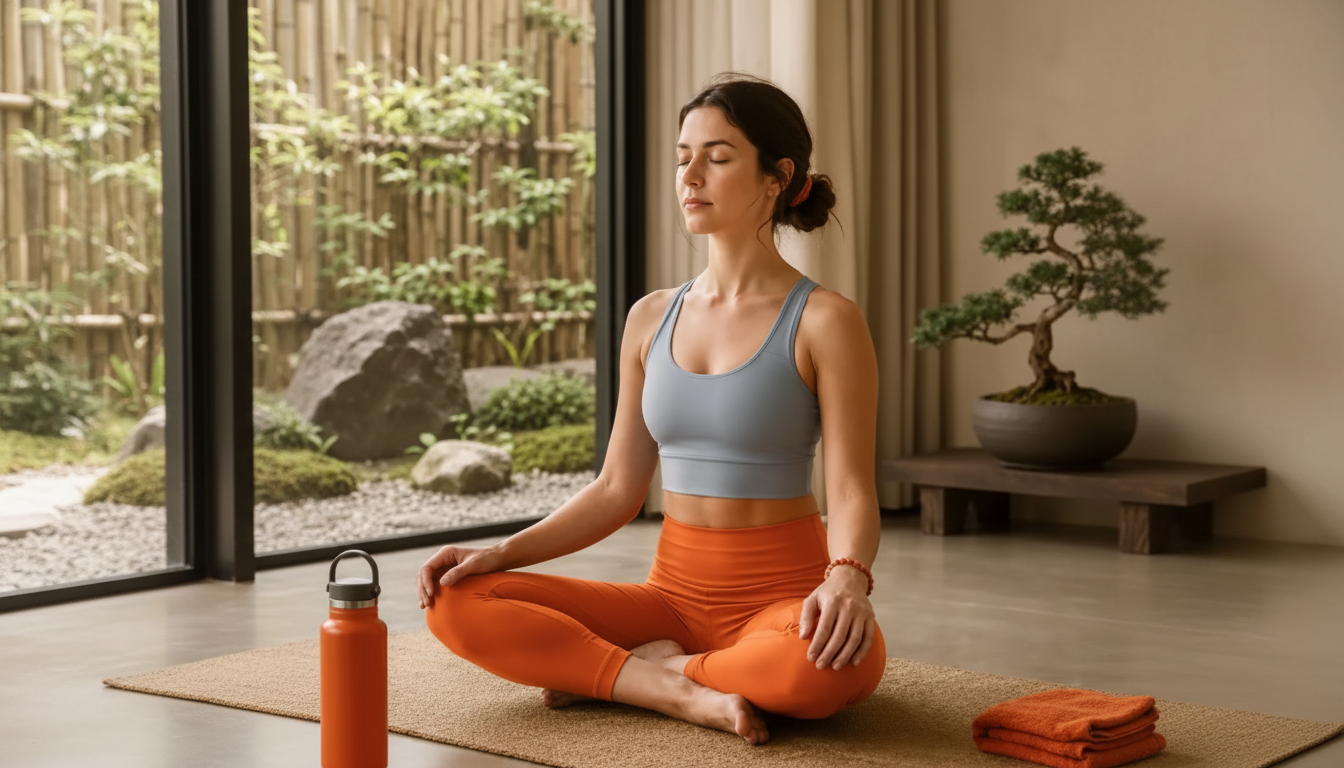
The Anxiety Relief Bundle: A Path to Calm (4-in-1 Bundle)
Anxiety can show up as racing thoughts, tension in the body, sleep disruption, or a constant feeling of being “on edge.” This 4-in-1 bundle is designed to make calming practices easier to start and easier to repeat, combining mindfulness exercises, positive-thinking prompts, a printable checklist, and a course outline that helps turn good intentions into a steady routine.
For a helpful overview of how anxiety disorders can affect daily life, see the National Institute of Mental Health (NIMH), the American Psychological Association (APA), or the Mayo Clinic.
Who this bundle is for
- Anyone who wants structured, repeatable calming practices without having to piece together multiple resources
- People who prefer guided prompts and checklists to reduce decision fatigue during anxious moments
- Those building a daily routine for stress management, emotional regulation, and steadier thinking patterns
- Beginners who want a clear starting point for mindfulness and cognitive reframing
What’s inside the 4-in-1 bundle
- Mindfulness exercises to interrupt spiraling thoughts and bring attention back to the present moment
- Positive-thinking tools to practice reframing and reduce the pull of worst-case assumptions
- A printable checklist to support consistency and track what helps most
- A course outline to organize learning and practice into manageable steps
Bundle components and how they support calm
| Component | Best for | When to use |
|---|---|---|
| Mindfulness exercises | Reducing physiological stress and mental noise | During anxious spikes, transitions, or before sleep |
| Positive-thinking prompts | Challenging unhelpful thought patterns | After a trigger, during worry loops, or as a morning reset |
| Printable checklist | Building consistency and spotting patterns | Daily/weekly tracking; when motivation is low |
| Course outline | Creating a step-by-step plan for practice | When starting out or restarting after a lapse |
How mindfulness exercises can reduce anxious momentum
When anxiety ramps up, the mind often tries to solve everything at once—usually by scanning for danger and replaying “what if” scenarios. Mindfulness works less like a debate and more like a reset: it trains attention to come back to something real and present, even if your thoughts are loud.
- Focus on simple anchors (breath, body sensations, sound) to ground attention in the present moment.
- Use short practice windows (1–5 minutes) when anxiety feels intense; longer sessions can come later.
- Pair mindfulness with a gentle body scan to notice and soften tension (jaw, shoulders, chest, stomach).
- Treat intrusive thoughts as mental events rather than facts; return attention to the chosen anchor.
One practical approach: choose a single anchor (like the sensation of your feet on the floor) and “label” distractions with a neutral word—“thinking,” “worrying,” or “planning”—then return to the anchor. The goal isn’t to feel perfect; it’s to practice returning.
Positive-thinking that stays realistic
Helpful reframing doesn’t require pretending everything is great. It’s closer to accuracy: shifting from catastrophic certainty to balanced probability, and from self-criticism to constructive support.
- Shift from forced positivity to balanced reframing: replace absolutes (“always,” “never”) with accurate language.
- Practice alternative explanations: what else could be true besides the most threatening interpretation?
- Add self-compassion statements that reduce shame and increase follow-through.
- Use short written prompts to slow down the mind and create distance from worry.
Example of balanced language: instead of “This is going to ruin everything,” try “This is uncomfortable, and I can take one step to handle it.” Small edits in wording can reduce the emotional charge and make action feel possible.
Printable checklist: turning calming skills into a habit
When anxiety is high, choices can feel heavy. A checklist removes extra friction: you’re not trying to remember everything you’ve ever learned—you’re simply following the next small step.
- Use checklists to reduce overwhelm by making the next step obvious.
- Track which tools work best in specific situations (work stress, social anxiety, nighttime worry).
- Create a “minimum doable” routine for hard days (example: 2 minutes of breathing + one reframing prompt).
- Review weekly to notice patterns: triggers, improvements, and which practices need adjustment.
Over time, tracking builds a personal “calm map”: not just what helps in theory, but what reliably helps you—at 7 a.m., during meetings, before bed, or after tough conversations.
Course outline: a simple path from learning to practicing
A plan matters because anxiety can make progress feel random. A course-style outline keeps practice bite-sized and repeatable, so you’re building skills in layers rather than trying to fix everything at once.
- Start with awareness skills (noticing anxiety cues early) before moving into deeper practice.
- Introduce one new technique at a time to avoid overwhelm and increase retention.
- Build a weekly rhythm: learn → practice → reflect → adjust.
- Include a relapse plan: what to do when routines break during busy or stressful weeks.
A 7-day starter plan using the bundle
When to get extra support
Product options in stock
If you want a structured set of tools you can use together or mix-and-match depending on the day, the core option is The Anxiety Relief Bundle: A Path to Calm.
For supportive routines that often pair well with stress management, consider building steadier daily inputs and reducing “last-minute” pressure points. Two popular add-ons are Healthy Meal Plan & Recipe Collection (to simplify food decisions during busy weeks) and The Income Multiplier Bundle (for those whose anxiety is fueled by financial uncertainty and a lack of a clear plan).
FAQ
What to do to calm anxiety?
Try a longer-exhale breathing pattern (inhale gently, exhale slower), ground with a 5-4-3-2-1 senses check, and relax common tension spots like the jaw and shoulders. Name the worry, write one balanced reframe, then take one small action you can control. If anxiety is persistent, worsening, or disrupting life, getting professional support can make a major difference.











Leave a comment