Indoor Cat Entertainment: 10 Easy Enrichment Ideas
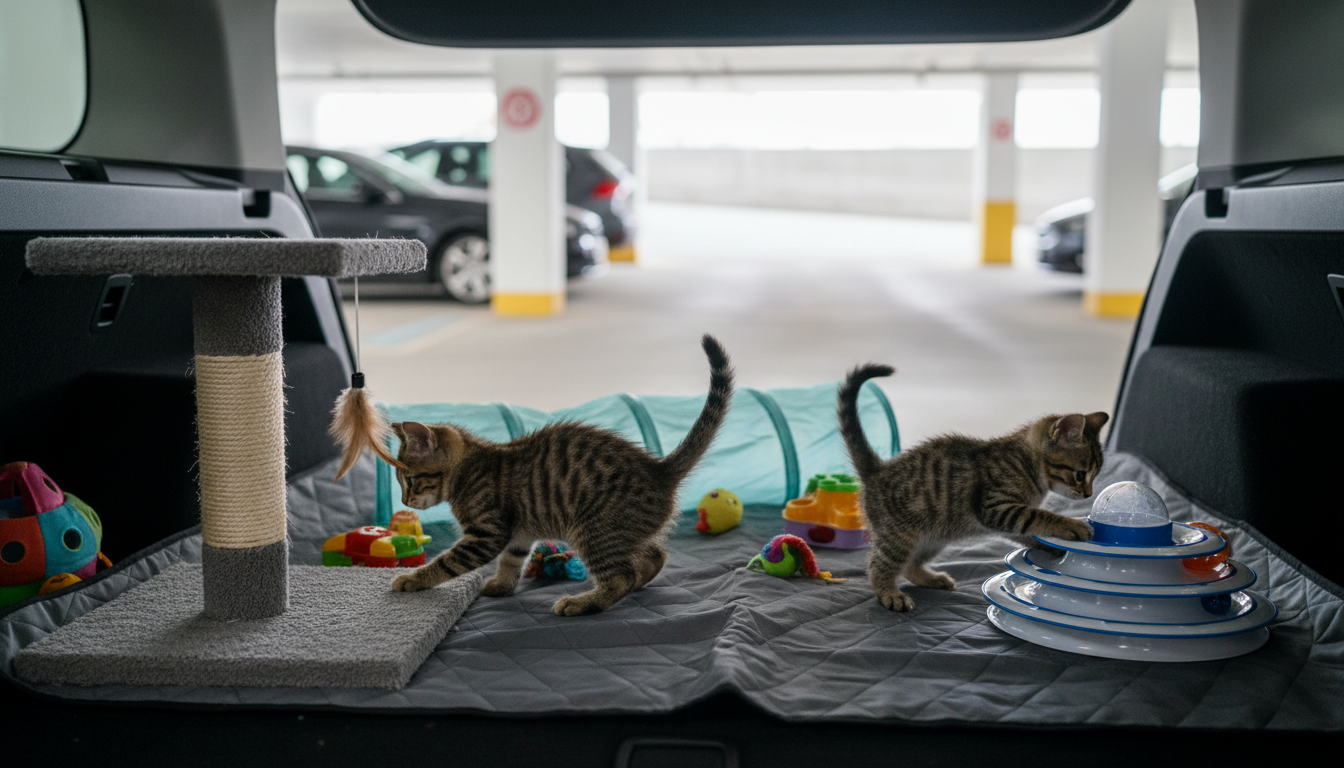
How do I keep my cat entertained indoors?
Indoor cats thrive on variety: short bursts of movement, chances to “hunt,” cozy places to perch, and moments of attention on their terms. The goal is to rotate a few simple activities so your cat doesn’t get bored with the same toy or routine.
Build a daily “hunt and pounce” routine
Schedule two to three play sessions (5–10 minutes each) using a wand toy or teaser that mimics prey—small darts, pauses, and quick direction changes. End with a “catch” and a small treat or meal to satisfy the hunt cycle and reduce midnight zoomies.
Create vertical space and window entertainment
Cats feel safer and more stimulated when they can climb and observe. Add a cat tree, wall shelves, or a sturdy perch near a window. A bird feeder outside (placed safely away from windows) can provide hours of viewing without overstimulation.
Offer puzzle feeding and DIY enrichment
Swap one meal a day for a puzzle feeder, treat ball, or snuffle-style mat to make your cat work for food. Even simple DIY options—like kibble hidden in a cardboard box with paper packing—encourage foraging and keep minds busy.
Rotate toys to keep novelty high
Leave out only a few toys at a time and rotate weekly. Mix textures and play styles: crinkle toys, kickers, balls, and catnip options (if your cat responds to it). Store the rest so “old” toys feel new again.
Add safe solo activities for when you’re busy
Provide scratchers (vertical and horizontal), a tunnel, and a cozy hideaway. Audio enrichment like soft nature sounds can help some cats, especially in quiet apartments.
For more ideas and product-friendly tips, visit the full guide here: How do I keep my cat entertained indoors?
FAQ
How many minutes of play does an indoor cat need each day?
Most indoor cats do well with 15–30 minutes total daily play, split into short sessions. High-energy cats may need more, while older or less active cats may prefer gentler, shorter rounds.











Leave a comment