Calm Anxiety Fast: 5 Practical Steps That Work
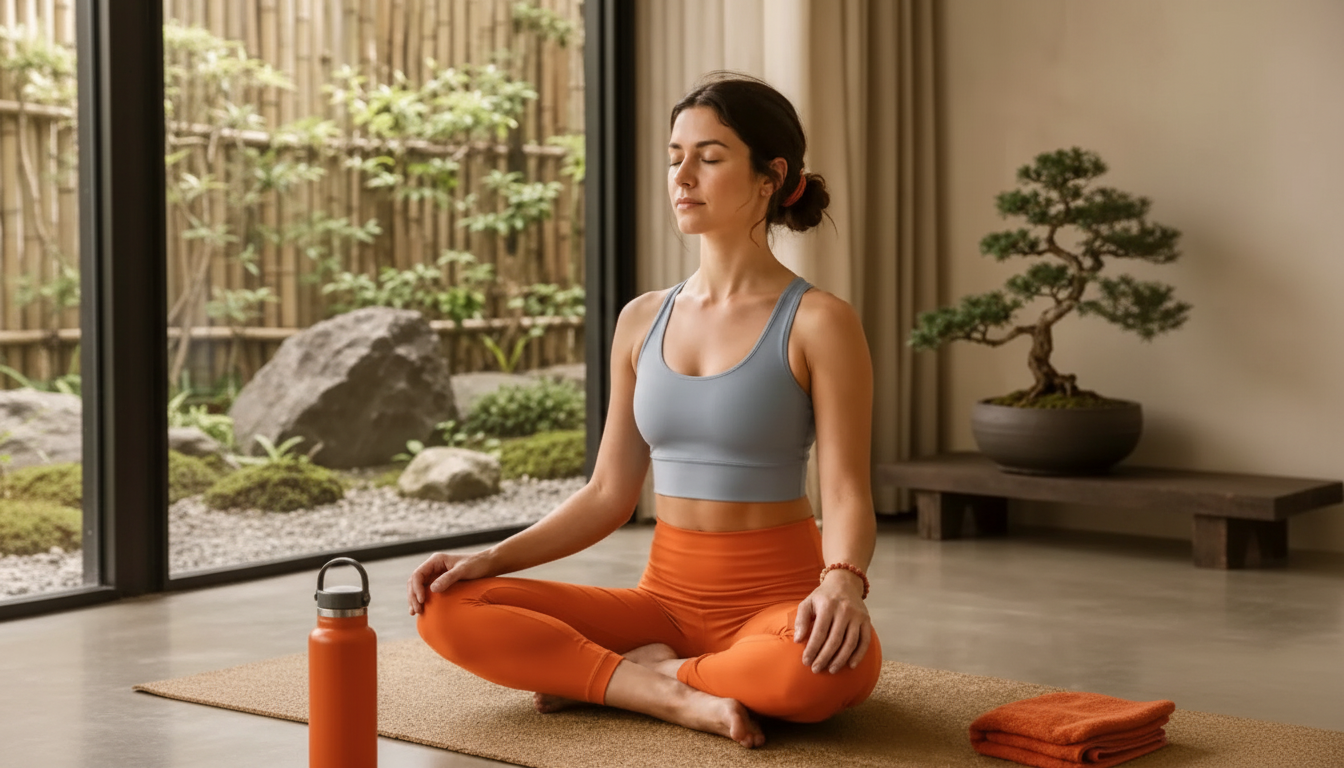
What to do to calm anxiety?
When anxiety spikes, the fastest way to calm it is to give your body a clear “safe” signal. Start with a small reset: exhale fully, drop your shoulders, and place both feet on the floor. Then use one or two simple tools—breathing, grounding, movement, or a quick plan for your next step—so your mind doesn’t have to do all the work at once.
Practical steps that can calm anxiety quickly
1) Slow your breathing (make the exhale longer)
Try 4–6 breathing: inhale gently for 4 seconds, exhale for 6 seconds, repeat for 2–3 minutes. A longer exhale helps cue the nervous system to ease up. If counting feels stressful, just breathe in normally and let the exhale be slow and unforced.
2) Ground your attention in your senses
Look around and name 5 things you can see, 4 you can feel, 3 you can hear, 2 you can smell, and 1 you can taste. This “5-4-3-2-1” method pulls attention away from racing thoughts and back to the present moment.
3) Move your body for a short burst
Do a brisk 5–10 minute walk, a set of stairs, or a few rounds of stretching. Physical movement helps burn off stress chemicals and can reduce the “trapped energy” feeling that often comes with anxiety.
4) Reduce inputs and make one small decision
If possible, lower the noise: step away from scrolling, silence notifications, or move to a quieter space. Then choose one next action (drink water, text a friend, write a quick to-do). A single concrete step can interrupt spiraling.
5) Build a daily calm routine
Consistent habits make anxious moments easier to manage. A short morning check-in, a mid-day reset, and a wind-down routine at night can create steadier baseline calm.
For a simple, ready-to-use approach that combines multiple calming tools, see the Anxiety Relief Bundle guide for practical options you can rotate throughout the day.
FAQ
What are good daily habits to reduce anxiety over time?
Aim for consistent sleep and wake times, regular movement, balanced meals, and a short daily relaxation practice (like breathing or mindfulness). Limiting caffeine and scheduling brief “worry time” can also reduce all-day rumination.












Leave a comment